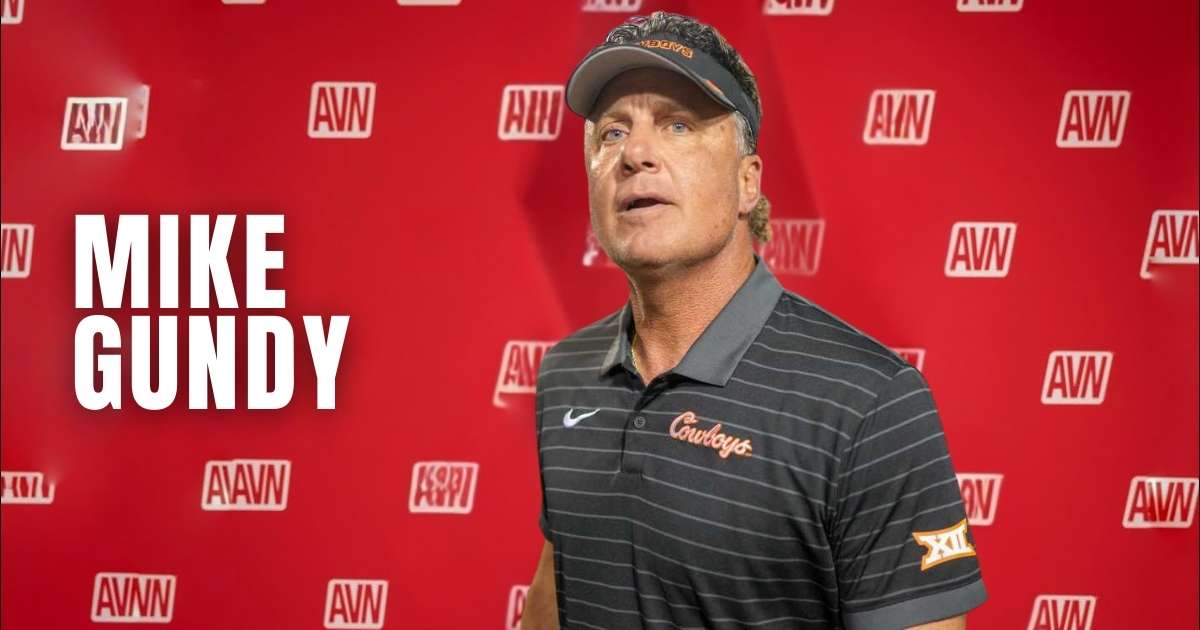
Mike Gundy walked away from Oklahoma State University with $15 million after a disappointing season. That’s not a typo. A football coach received a massive payout despite underperforming, while students across America drown in student loan debt and professors work multiple jobs to survive.
This isn’t just about one coaching buyout contract. It’s about priorities gone wrong in higher education funding across the nation. Let’s examine what that money could’ve accomplished instead.
Also Read : Bill Fernandez Net Worth 2025 : Career, Now and Jobs Movie
The Shocking Reality of Mike Gundy’s Contract Buyout
Oklahoma State’s decision to part ways with their longtime coach came with a hefty price tag. The Mike Gundy contract included guaranteed compensation that protected him regardless of performance. After nearly two decades leading the Cowboys, Gundy’s departure triggered a severance payment that could’ve transformed countless lives.
Here’s what makes this situation particularly frustrating:
- Gundy’s team finished with a losing record
- The $15 million buyout came from public universities spending budgets
- Students at OSU campus face tuition increases Oklahoma residents can barely afford
- Faculty positions remain unfilled due to “budget constraints”
The coaching agreements negotiated by college football coaches often include buyout provisions that guarantee millions even when things go south. It’s financial protection most Americans can’t fathom.
Breaking Down the Numbers: What $15 Million Actually Buys
Let’s get specific about what fifteen million payout could accomplish for Oklahoma higher education instead of padding one person’s retirement account.
Scholarships That Change Everything
The average in-state tuition at Oklahoma State runs approximately $9,000 annually. That $15 million buyout money could fund:
- 416 full four-year scholarships for Oklahoma residents
- 278 complete out-of-state undergraduate degrees
- Emergency financial aid preventing 1,200+ students from dropping out
- Work-study positions for 3,000 students over four years
Each scholarship represents a life trajectory altered. A first-generation college student who doesn’t graduate with crippling college student debt. A brilliant mind pursuing research instead of working three jobs. These aren’t abstractions—they’re real opportunities sacrificed.
Faculty Positions and Academic Excellence
While athletic department finances balloon, Oklahoma colleges struggle to retain teaching talent. Consider this:
| Investment | Impact |
| $15 million ÷ $75,000 average salary | 200 professor positions for one year |
| $15 million ÷ $40,000 adjunct salary | 375 teaching positions annually |
| Research grants at $150,000 each | 100 funded research projects |
The adjunct crisis haunts American universities. PhDs with decades of education teach for poverty wages without healthcare. One football coach severance equals 375 adjunct positions that could provide stable employment and benefits.
Infrastructure Students Actually Use
Forget luxury locker rooms. Here’s what students desperately need:
- Modern STEM laboratories with current equipment
- Expanded mental health counseling services
- Updated library resources and digital archives
- Technology upgrades in aging classroom buildings
- Career development centers with actual job placement support
These investments compound over decades. A well-equipped chemistry lab produces research breakthroughs. Proper mental health services prevent tragedies and improve graduation rates. But instead, that capital went toward a Gundy firing payment.
The Broken Economics Behind College Athletics Business
The college sports industry operates on myths that crumble under scrutiny. Athletic directors claim sports revenue model funds everything else. The reality? Most programs hemorrhage money.
Only 25 of 130 Division I programs actually turn a profit. The rest require massive subsidies from state education spending and student fees. At Oklahoma State University, like most public institution budgets, hidden transfers prop up athletics spending while academic departments beg for supplies.
How We Got Here
College athletics staff compensation exploded over thirty years. In 1990, the highest-paid NCAA football leaders earned around $400,000. Today, head football coaches regularly command $5-10 million annually with guaranteed contracts protecting them from performance accountability.
Television contracts fueled this arms race. Conferences negotiate billion-dollar deals, then universities convince themselves they must spend lavishly on coaching talent to compete. The education resources students need become collateral damage.
The Student Fee Nobody Mentions
Dig into your tuition bill. Buried within are mandatory athletic fees ranging from $500-2,000 annually. Students subsidize college sports industry they may never attend. Those rising tuition rates Oklahoma students protest? Athletics contributes significantly while administrators deflect blame elsewhere.
A recent study found 68% of Division I programs required direct university funding or student fees to operate. Yet administrators perpetuate the myth that football coach contracts pay for themselves through ticket sales and donations.
Real Examples of Warped Priorities
The Mike Gundy buyout isn’t isolated. Consider these recent coaching payouts:
- Jimbo Fisher: $77 million from Texas A&M after catastrophic performance
- Scott Frost: $15 million from Nebraska following multiple losing seasons
- Geoff Collins: $11 million from Georgia Tech despite worst record in decades
Meanwhile, during the same period:
- University of Alaska eliminated 39 programs due to budget shortfalls
- University of Wisconsin-Stevens Point cut 13 majors including history and philosophy
- Hundreds of adjuncts nationwide lost positions while coaching staff expanded
This pattern repeats across public universities spending priorities. When cuts come, administrators target liberal arts, language programs, and student services. But athletic department finances remain untouchable despite consistent losses.
What Students Actually Face
Sarah Martinez graduated from an Oklahoma university in 2023 with $47,000 in student borrowing. She works two jobs while her degree in education yields a starting salary of $38,000. Her debt burden students carry will take decades to resolve.
Meanwhile, college football coaches sign contract buyout clause protections guaranteeing generational wealth regardless of wins and losses.
The student loan debt crisis now exceeds $1.7 trillion nationally. Over 43 million Americans carry education loans with average balances reaching $37,000. For many Oklahoma higher education graduates, their debt exceeds their first-year salary.
The Opportunity Cost
Every dollar allocated to coaching buyout contracts represents an opportunity lost. Consider:
- Research positions for graduate students conducting cancer studies
- Tutoring centers helping struggling freshmen succeed
- Updated accessibility services for disabled students
- Scholarships preventing talented students from dropping out
These aren’t luxuries. They’re the fundamental purpose of state higher education system institutions. Yet they’re treated as expendable while sports economics reign supreme.
The Arguments Defenders Make (And Why They’re Wrong)
“But athletics brings donations and exposure!” This tired claim deserves examination.
The Donation Myth
Research consistently shows athletic success doesn’t correlate with academic donations. A 2019 study analyzed 20 years of giving patterns at Division I schools. Winning seasons increased athletic donations but actually decreased academic giving as donors redirected funds toward sports.
Universities with terrible football programs but strong academics—think University of Chicago or MIT—receive enormous education governance support from alumni. Their fundraising success stems from educational excellence, not touchdown totals.
The Exposure Excuse
Does anyone choose their university based on football rankings? Sure, applications sometimes spike after championship seasons. But enrollment increases rarely justify the athletics spending required to compete at elite levels.
Oklahoma State builds its reputation through academic programs, research contributions, and graduate outcomes. Not through a coach’s won-loss record.
What Could Actually Change
Reform won’t happen overnight, but several solutions deserve serious consideration:
Contract Reform Initiatives:
- Cap termination clauses at 50% of remaining contract value
- Tie coaching salaries to university-wide compensation ratios
- Require performance benchmarks beyond win totals
- Make buyout provisions public before contract signing
Transparency Requirements:
- Mandate clear athletic subsidy reporting on student bills
- Publish full athletic department finances annually
- Compare athletics spending to academic budgets publicly
- Require regents board approval for contracts exceeding $5 million
Structural Changes:
- Develop professional minor leagues for football and basketball
- Shift to club sports models for most athletic programs
- Redirect guaranteed compensation toward academic priorities
- Align taxpayer funded universities with educational missions
What You Can Actually Do
Feeling powerless? You’re not. Here’s how to create pressure for change:
- Question your alma mater’s priorities at alumni events and fundraising calls
- Direct donations specifically toward academic programs rather than general funds
- Support faculty advocacy groups pushing for budget transparency
- Vote for education governance candidates committed to reform
- Share these conversations publicly to build awareness
Students attending Stillwater university and Oklahoma colleges deserve administrators who prioritize education over entertainment. But that won’t happen until alumni, taxpayers, and stakeholders demand accountability.
The Bottom Line
Mike Gundy’s $15 million departure symbolizes everything wrong with modern higher education funding priorities. A single OSU coach payout could’ve prevented hundreds of students from dropping out. It could’ve hired dozens of professors. It could’ve modernized facilities students actually use.
Instead, it enriched one person who failed to meet basic job expectations.
This isn’t about begrudging successful coaches their earnings. It’s about public college finances serving education rather than entertainment. It’s about recognizing that guaranteed contracts protecting underperforming coaches contradict every principle universities supposedly cherish.
The next time someone claims “we can’t afford” to reduce tuition fees, remember Oklahoma State University somehow found $15 million lying around for a football coach buyout. Universities have resources. They simply choose to spend them elsewhere.