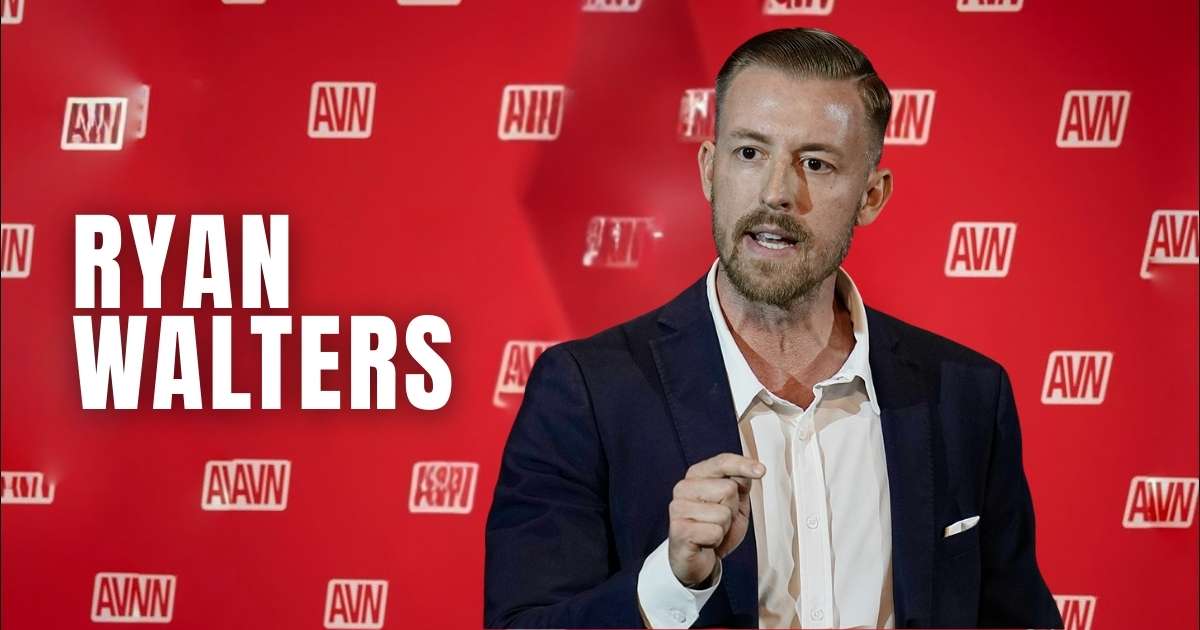
Oklahoma’s education landscape has erupted into controversy. Ryan Walters facing ethics investigation over his departure from office has captivated national attention and raised serious questions about political accountability.
The former state Superintendent now finds himself under intense scrutiny from the Oklahoma Ethics Commission, with allegations swirling around his conduct while leading the state’s education system.
This isn’t just another political scandal. The ethics probe into Walters touches fundamental questions about how public servants use state resources, navigate conflict of interest rules, and balance private economic interests with public responsibilities. Let’s unpack what’s really happening here.
Also Read : Grace Curley Net Worth 2025 : Early Life, Salary and Career
Who Is Ryan Walters and Why This Investigation Matters
Ryan Walters served as Oklahoma’s state Superintendent, overseeing the Oklahoma State Department of Education until his recent departure from office. His tenure was marked by controversial policies and fierce partisan battles over education reform. But it’s what happened during his time in office specifically how he allegedly used his elected position promotion that now threatens his political legacy.
The ethics complaint filed against Walters centers on his relationship with the Teacher Freedom Alliance, a conservative nonprofit group that advocates for education reform. Critics argue Walters crossed ethical lines by promoting private entities while serving in his official capacity. Supporters claim he’s being politically targeted.
Here’s what makes this case significant:
- First major ethics inquiry against a sitting education chief in Oklahoma’s recent history
- Sets precedent for how state officials interact with advocacy organizations
- Tests the boundaries of conflict of interest law in education leadership
- Could reshape campaign ethics complaints procedures statewide
The Core Allegations: What the Ryan Walters Ethics Investigation Uncovered
The Oklahoma ethics board didn’t launch this investigation lightly. Multiple ethics allegations emerged regarding Walters’ conduct, focusing on three main areas of concern.
Use of State Resources for Private Benefit
Investigators are examining whether Walters improperly used taxpayer resources to promote the Teacher Freedom Alliance. The misuse of office allegations suggest he leveraged his position as education official to advance the nonprofit’s agenda. This included potentially using state email systems, staff time, and official communications channels for activities that primarily benefited private interests rather than public education.
State ethics rules explicitly prohibit public servants from using government resources for personal financial interest or to promote private entities. The line between official duties and advocacy work can blur but crossing it carries serious consequences.
Conflict of Interest Rules Violations
The ethics violations probe also scrutinizes Walters’ financial ties to organizations he promoted while in office. Did his relationship with the teacher advocacy organization create conflicts between his public responsibilities and private economic interests?
Oklahoma’s conflict of interest rules require officials to:
- Disclose financial relationships with outside organizations
- Recuse themselves from decisions benefiting entities they’re connected to
- Avoid using official authority to benefit private groups
- Maintain clear separation between public duties and personal interests
Elected Position Promotion Concerns
Perhaps most damaging are allegations about abuse of office through officeholder conduct that blurred campaign activity with official duties. The ethics inquiry is investigating whether Walters used his role as past superintendent role to campaign for allies or advance political agendas beyond his official mandate.
Timeline: How the Ryan Walters Probe Unfolded
Understanding this case requires following the sequence of events:
| Date | Event | Significance |
| Early 2024 | Initial ethics charge surfaces | First formal complaint filed with commission |
| March 2024 | Oklahoma Ethics Commission begins review | Official investigation into Walters launched |
| May 2024 | Additional misconduct claim filed | New allegations emerge about resource misuse |
| July 2024 | Walters issues public statement | Former education chief denies wrongdoing |
| September 2024 | Investigation expands scope | Ethics panel broadens inquiry into departure |
| December 2024 | Hearings scheduled | Public proceedings set for early 2025 |
The stepped down role came amid mounting pressure. His resignation from office or departure, depending on who’s telling the story occurred while the ethics authority was actively investigating his conduct.
The Teacher Freedom Alliance Connection Explained
You can’t understand this scandal without examining the national teacher group at its center. The Teacher Freedom Alliance positions itself as a conservative education nonprofit advocating for teacher autonomy and parental rights in schools.
Walters’ relationship with this education nonprofit raises thorny questions. Did he cross ethical boundaries promoting their agenda? The investigation focuses on several key interactions:
- Official speeches where he endorsed the organization’s positions
- Use of OSDE communications to amplify alliance messaging
- Scheduling official meetings that primarily benefited the group
- Potential coordination between state policy and alliance priorities
Critics argue this represents textbook conflict of interest law violations. Supporters counter that education leaders naturally work with advocacy organizations that’s part of the job.
What the Oklahoma Ethics Commission Is Actually Investigating
The state ethics board doesn’t just rubber-stamp complaints. Their commission investigation follows rigorous procedures designed to uncover truth while protecting due process rights.
Here’s what the ethics inquiry actually examines:
Evidence Collection Phase:
- Email records from state systems
- Calendar entries and meeting schedules
- Financial disclosure forms
- Witness testimony from OSDE staff
- Documentation of resource allocation
Legal Standards Applied: The ethics panel evaluates conduct against Oklahoma’s public interest rules, which prohibit officials from using their position for private benefit. This includes both direct financial gain and indirect advantages like promoting organizations with which they have relationships.
Investigative Scope: The probe extends beyond simple yes-or-no questions about rule violations. Investigators assess intent, pattern of behavior, and whether actions served legitimate public purposes versus private interests.
Ryan Walters’ Defense: His Side of the Story
Fairness demands we hear from the ex state superintendent himself. Walters has vigorously defended his conduct, arguing the Oklahoma ethics case represents political persecution rather than legitimate oversight.
His key arguments include:
“I Always Acted in Students’ Best Interests” Walters maintains every action he took advanced educational excellence. Promoting reform organizations like the Teacher Freedom Alliance served legitimate policy goals, not personal gain.
“This Is Selective Enforcement” His legal team points out that many state education leaders work closely with advocacy groups. Why single out Walters for conduct they claim is standard practice?
“Political Opponents Are Weaponizing Ethics Rules” Supporters argue the ethics complaint filed originates from partisan rivals seeking to damage a conservative reformer. They point to Walters’ controversial stances on curriculum and school choice as the real motivation behind accusations.
Broader Context: Campaign Ethics Complaints in Oklahoma
This isn’t Walters’ first brush with ethics scrutiny. He previously faced campaign violations allegations during his election run. Those campaign misconduct claims were ultimately settled, but they established a pattern that makes current allegations more concerning.
Oklahoma has seen several high-profile political finance issues recently:
- Multiple state legislators faced ethics settlements for misuse of resources
- Campaign ethics have become increasingly contentious
- The ethics authority has expanded enforcement efforts
- Public demands for accountability have intensified
This broader context matters because it shows systemic challenges in maintaining ethical government not just one official’s alleged failures.
What Happens Next: Potential Outcomes and Consequences
The Ryan Walters ethics investigation could conclude several ways, each with different implications.
Possible Scenarios:
Complete Exoneration The commission investigation might find insufficient evidence of wrongdoing. Walters would be cleared, though political damage may linger.
Minor Violations with Fines The ethics panel could determine technical violations occurred but impose only modest penalties perhaps financial settlements similar to his previous campaign ethics complaints.
Serious Ethics Violations If the Oklahoma ethics board confirms major breaches of conflict of interest rules, consequences escalate dramatically. Potential outcomes include:
- Substantial financial penalties
- Public censure and official reprimand
- Referral for criminal prosecution if fraud is suspected
- Permanent bar from holding state office
Negotiated Settlement Like many election ethics cases, this might resolve through agreement where Walters acknowledges mistakes without admitting intentional wrongdoing.
Impact on Oklahoma’s Education System
Beyond Walters personally, this scandal affects real students and teachers. The state education department has operated under a cloud of uncertainty since the departure from office of its leader.
Immediate Consequences: Policy initiatives stalled as interim leadership avoided controversial decisions. Staff morale suffered amid investigation publicity. Public trust in the education agency declined measurably according to recent polling.
Long-term Implications: Future state education leaders will face heightened scrutiny regarding advocacy organization relationships. The OSDE may implement stricter protocols around use of state resources. Ethics training requirements could expand significantly.
Why This Matters to Average Americans
You might wonder why an Oklahoma ethics case deserves national attention. Here’s why you should care:
Taxpayer Resources Protection: Your tax dollars fund government operations. When officials misuse these resources for private interests, that’s money stolen from public purposes like education, infrastructure, and services.
Democratic Accountability: Ethics rules exist to ensure elected leaders serve constituents, not themselves. Without enforcement, corruption festers and public trust collapses.
Education Quality: Leadership instability and ethical scandals distract from the core mission educating children. Students ultimately pay the price when administrators face ethics probes instead of focusing on learning outcomes.
Precedent Setting: How Oklahoma handles this case influences accountability standards nationwide. Other states watch these proceedings to inform their own ethics enforcement.
Expert Analysis: What Legal Scholars Say
Constitutional law professors have weighed in on the Ryan Walters ethics investigation with nuanced perspectives. Dr. Sarah Mitchell from Oklahoma City University notes: “The central question isn’t whether Walters worked with advocacy groups that’s normal but whether he crossed the line into using public resources for essentially private lobbying.”
Ethics experts emphasize the importance of clear boundaries. When public servants promote specific organizations from their official platforms, they lend government credibility and resources to private entities. This creates the very conflicts that ethics rules aim to prevent.
Moving Forward: Lessons and Reforms
What should Oklahoma and America learn from this controversy?
Immediate Reforms Needed:
- Clearer guidelines on advocacy organization relationships
- Enhanced financial disclosure requirements
- Mandatory ethics training for all education officials
- Transparent reporting of resource use
- Stronger ethics authority enforcement powers
Cultural Shifts Required: Beyond rules, government culture must prioritize integrity over partisanship. Officials need support in navigating ethical gray areas before violations occur. Prevention beats punishment.
Conclusion: The Stakes Behind the Ryan Walters Ethics Investigation
Ryan Walters facing ethics investigation represents more than one official’s alleged misconduct. This case tests whether ethics rules have teeth, whether accountability transcends partisan politics, and whether government serves public interest or private economic interests.
The Oklahoma Ethics Commission faces immense pressure to conduct a thorough, fair investigation. Their findings will echo far beyond state boundaries, influencing how officials nationwide understand their ethical obligations.
As this drama unfolds, citizens must stay engaged. Democratic accountability only works when voters demand integrity and support enforcement mechanisms. The exit from position of a controversial education leader offers an opportunity perhaps an obligation to strengthen ethical governance for future generations.